
Advanced Class - 2026
Project Starling
Hybrid fixed-wing platform with vertical takeoff capability for autonomous aerial missions
Starling is uOttawa Aeronautics’ 2026 SAE Aero Design Advanced Class aircraft, developed as the next iteration of our previous platform, Project Longshot. The system builds on last year’s foundation by improving structural integration, flight reliability, and overall system maturity.
Designed as a hybrid fixed-wing aircraft with a vertical takeoff system, Starling prioritizes stable forward flight while enabling VTOL operation and onboard mission capability. The platform reflects a shift toward cleaner integration, reduced mechanical complexity, and a more refined approach to manufacturability and performance.
Project Overview
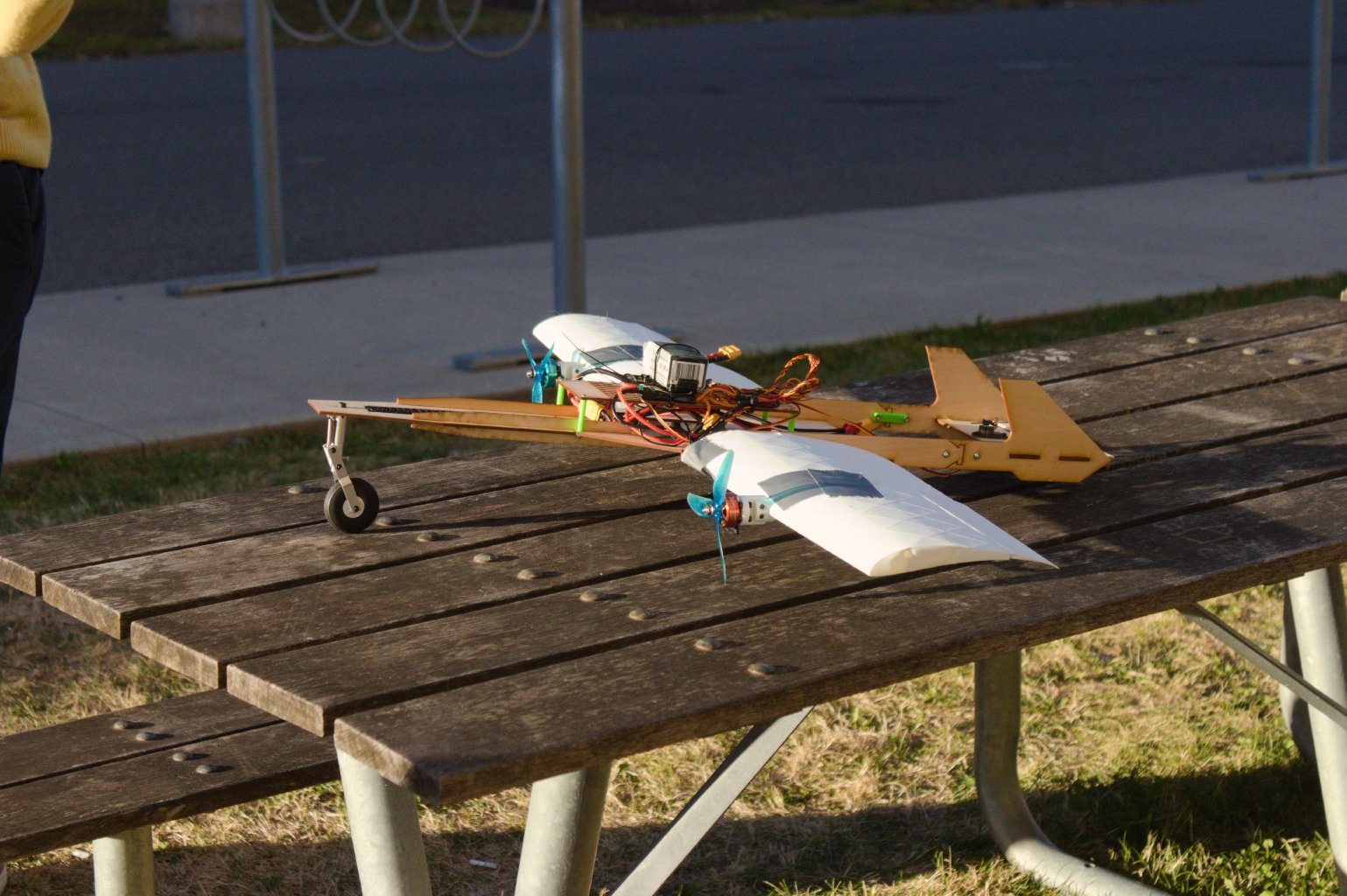
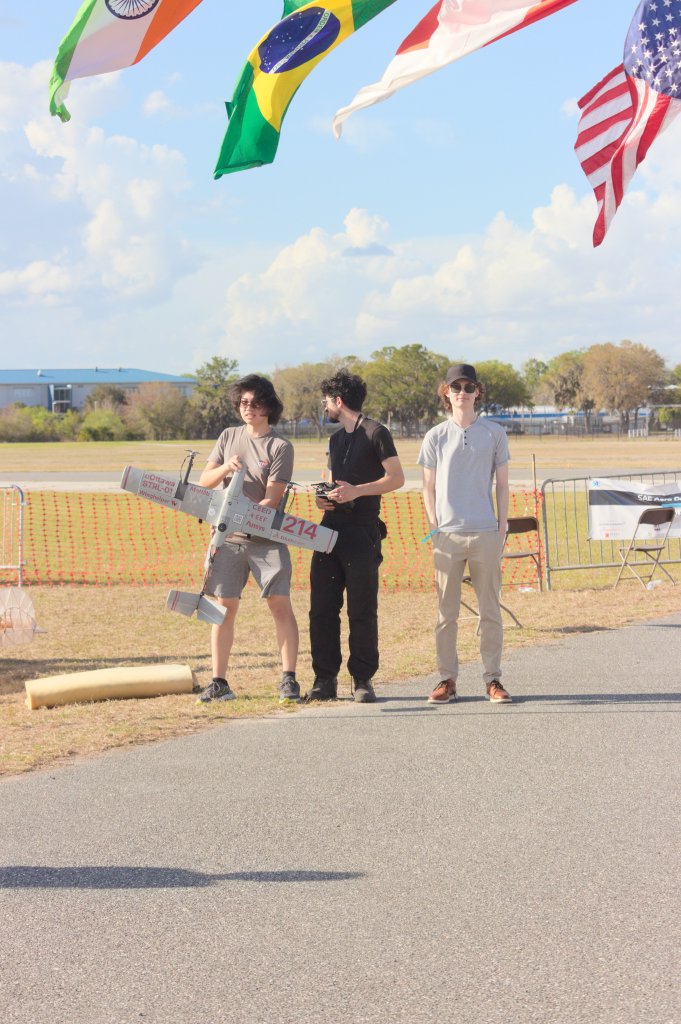
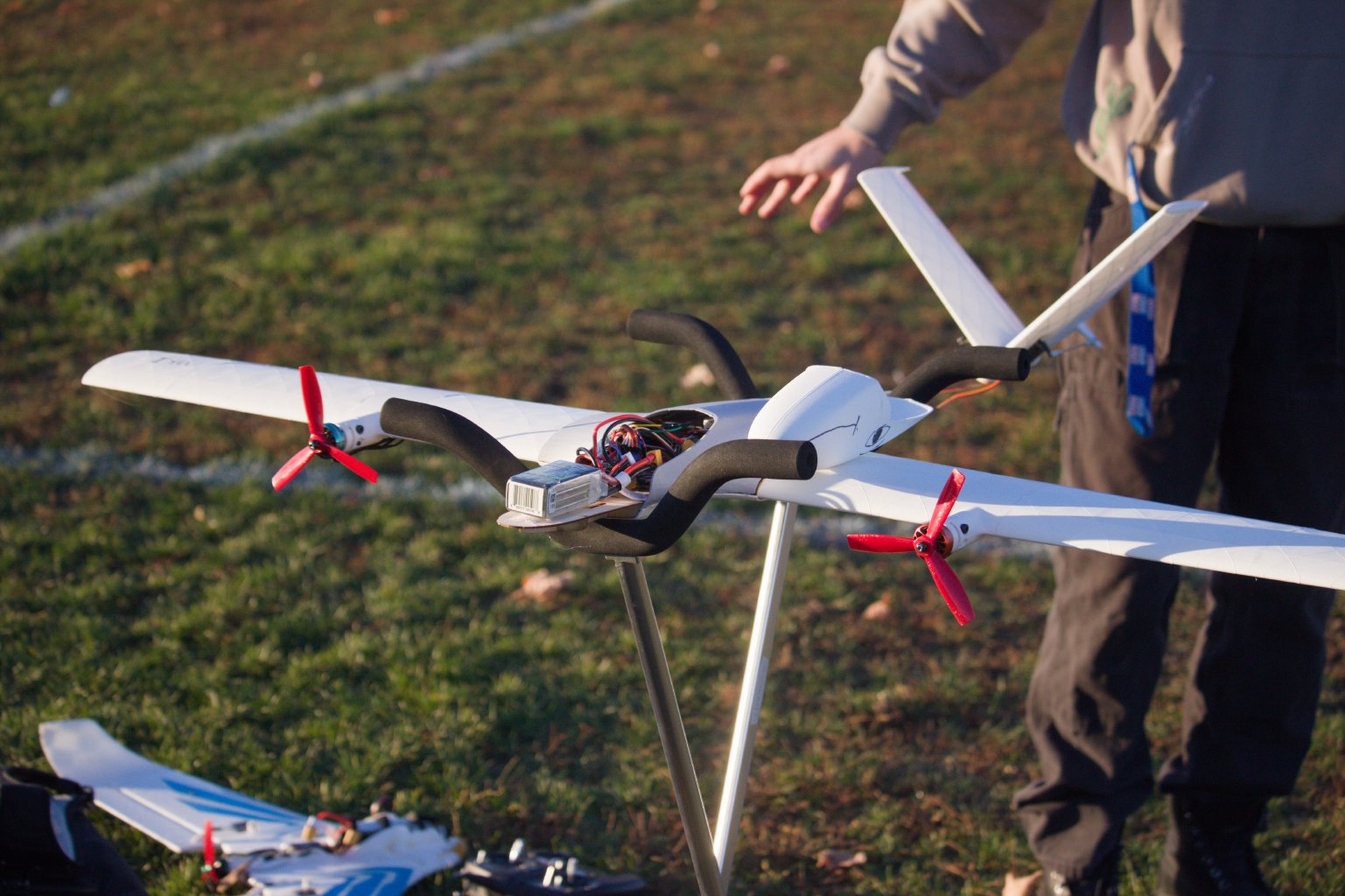
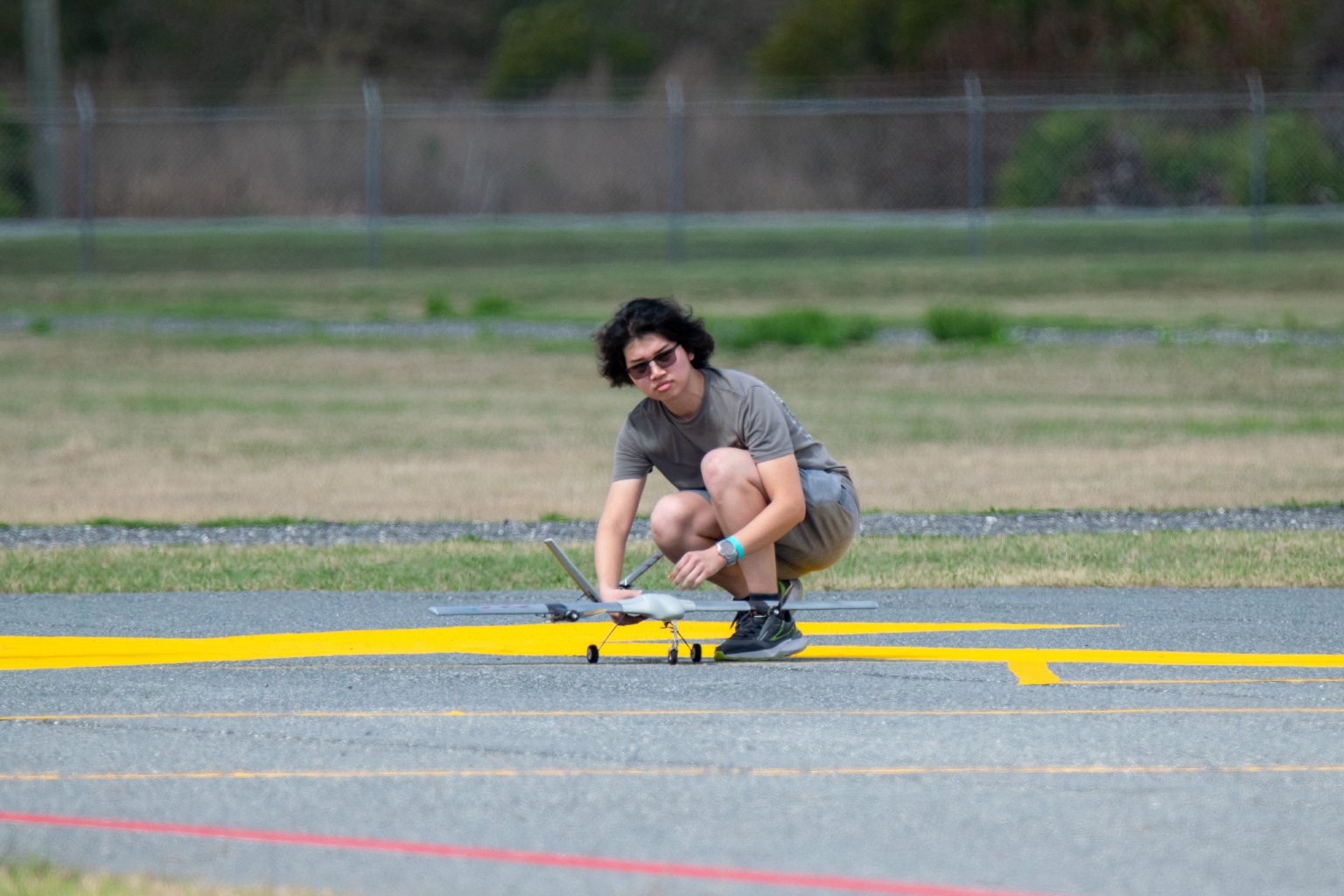
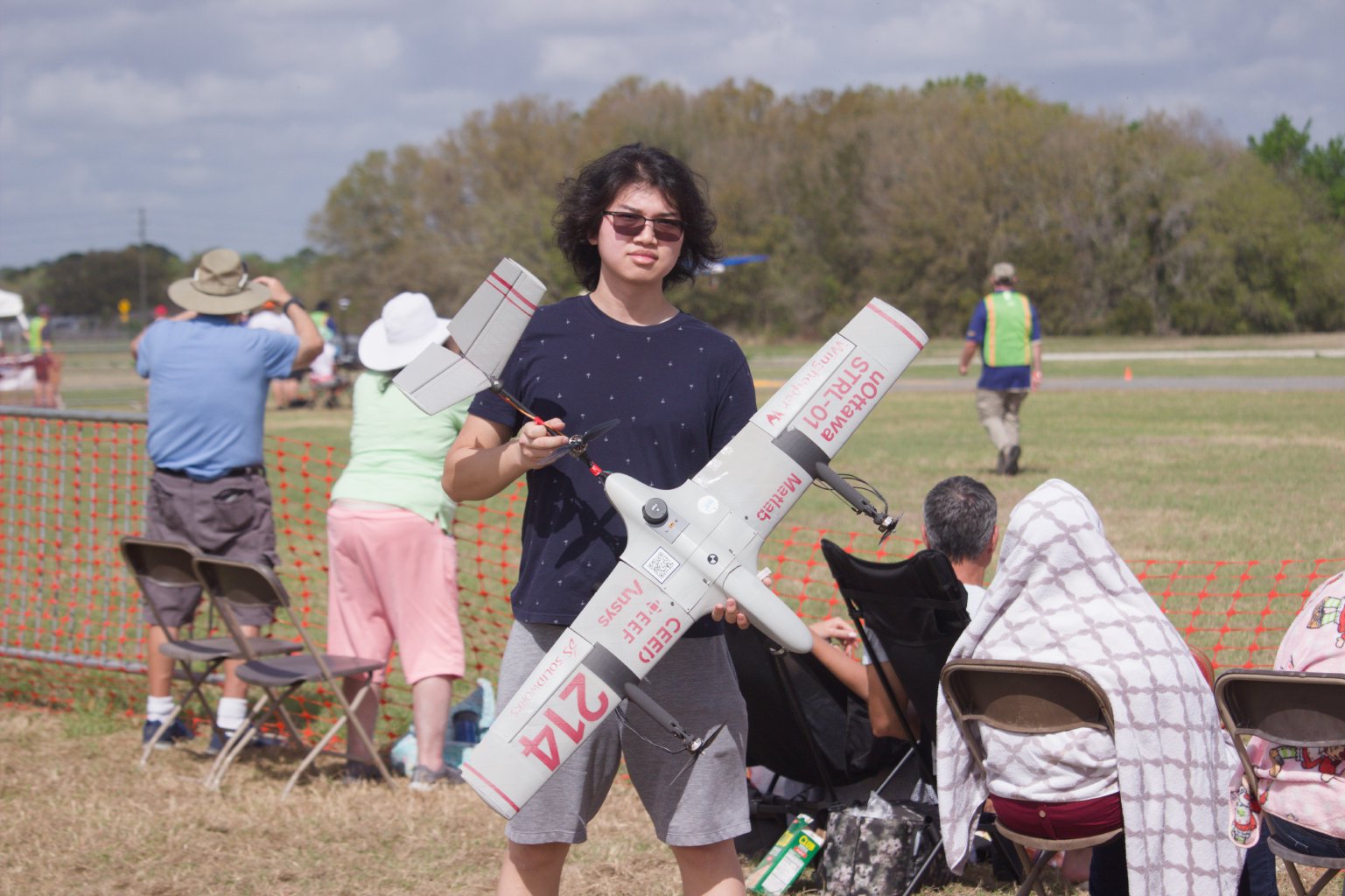
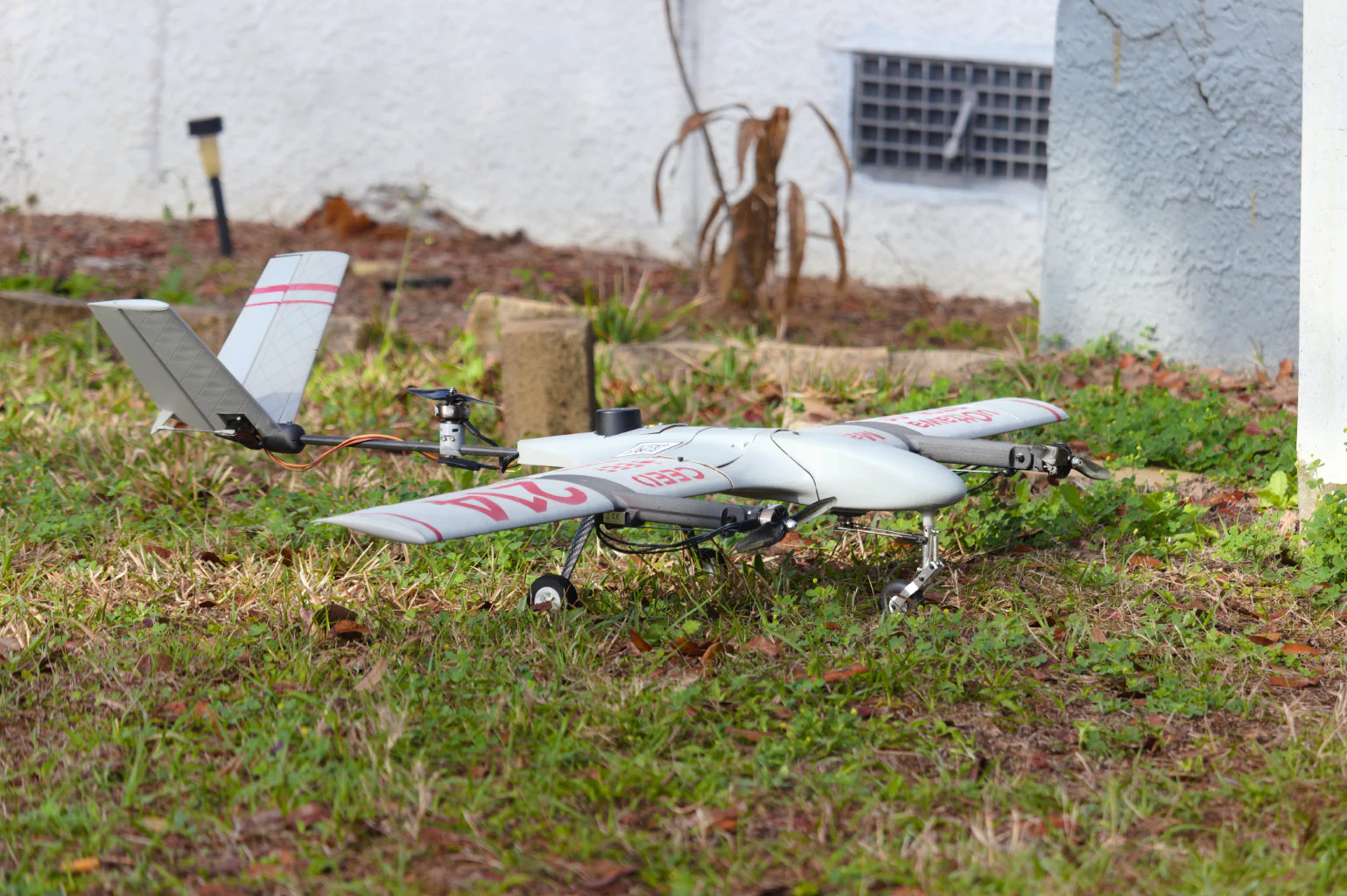 Starling on some grass the first morning of the competition
Following the development of Project Longshot, this year’s focus was to refine and simplify the overall system while improving real-world performance. Rather than introducing unnecessary complexity, the design emphasizes consistency, reliability, and controlled integration of advanced features. Starling represents a transition from a proof-of-concept platform to a more mature and deliberate aircraft, with improved structural design, better subsystem integration, and a stronger foundation for future development.
Key Focus Areas:
- Improved flight reliability over previous iteration
- Simplified and more robust system architecture
- Continued development of autonomous and mission systems
AIRCRAFT CONFIGURATION
VTOL Architecture
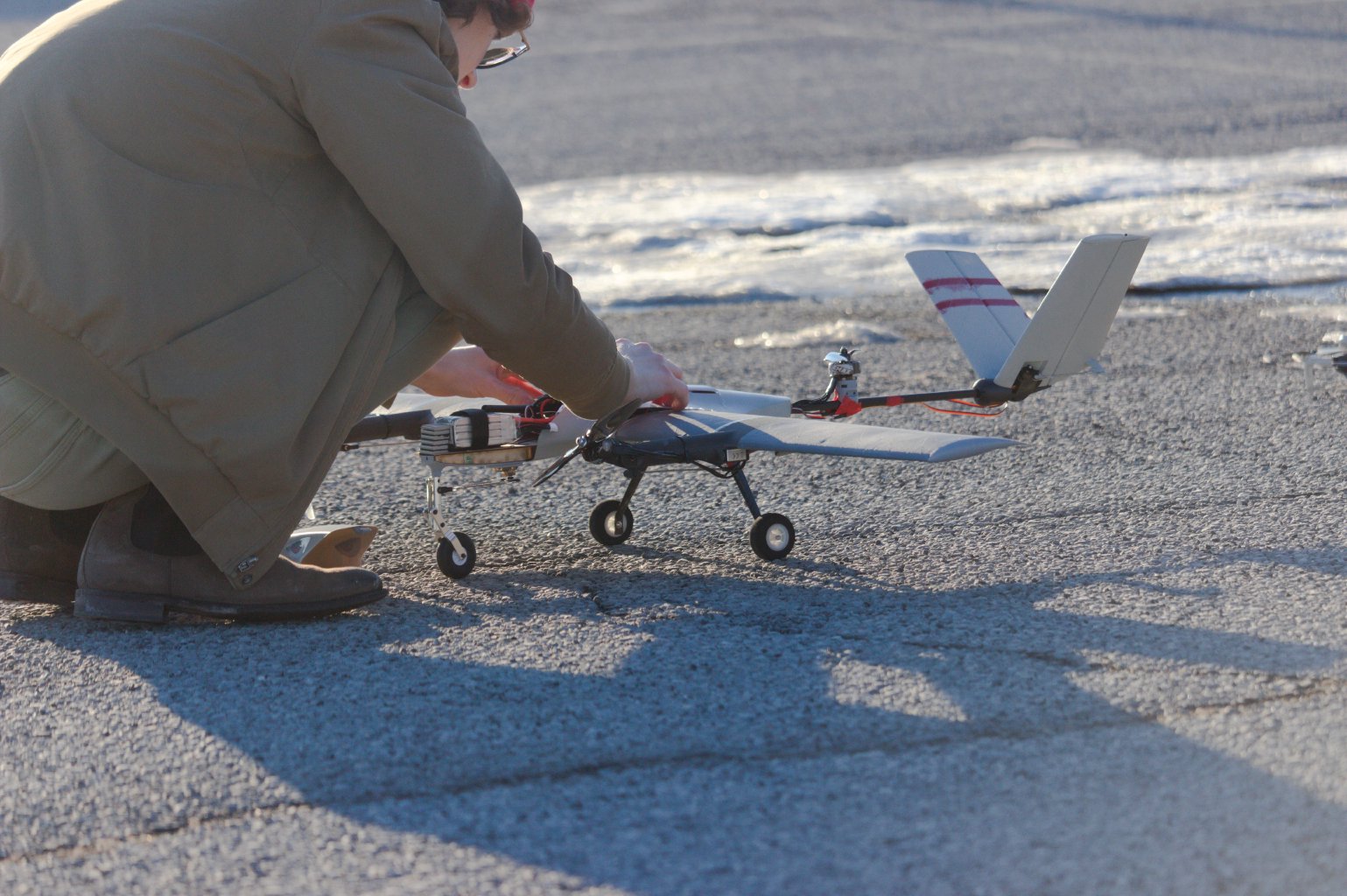
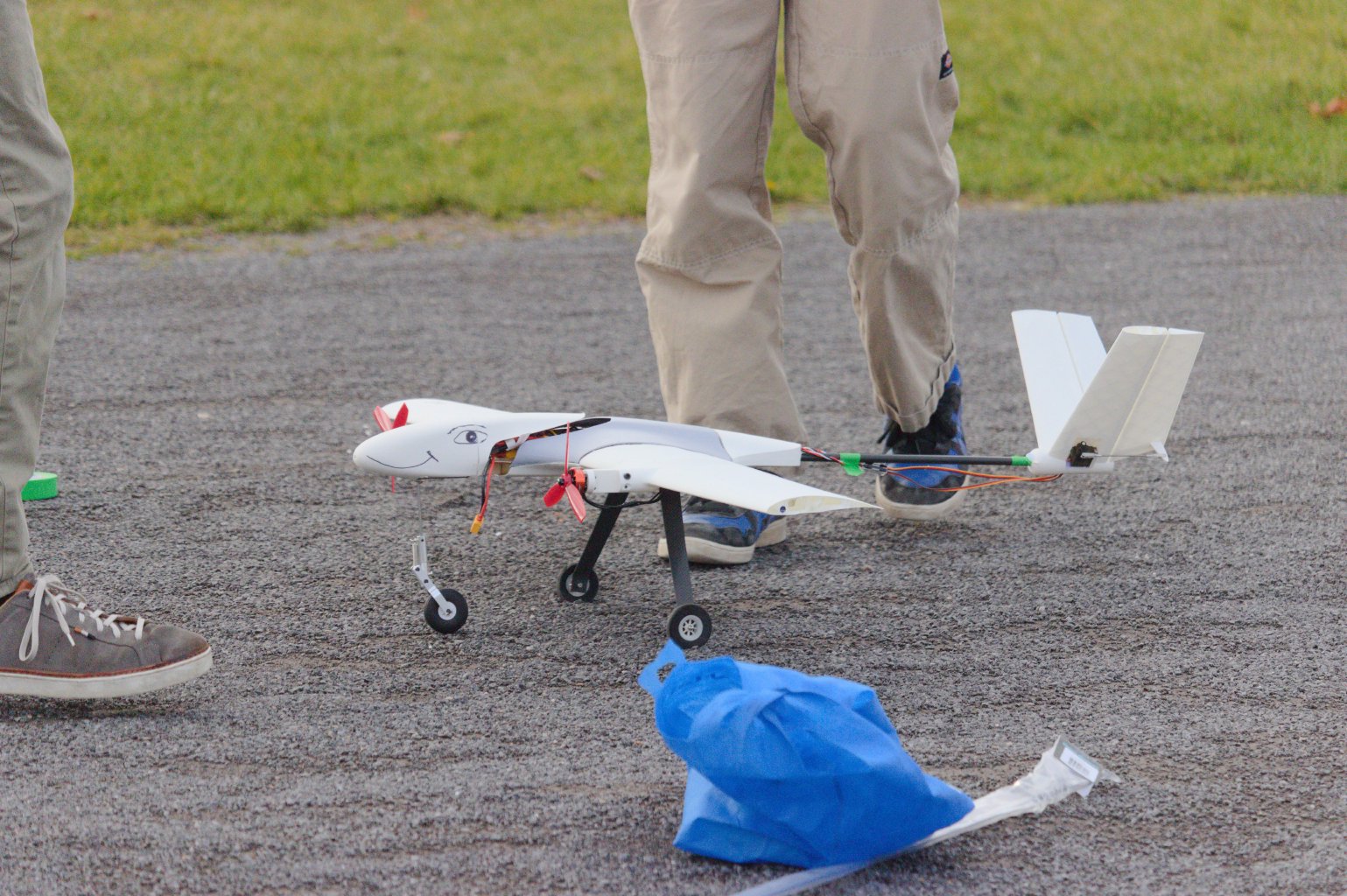
Starling uses a fixed-wing tilt-rotor tri-copter configuration, allowing it to operate in both vertical and forward flight regimes. Compared to the previous platform, the system has been simplified to reduce mechanical complexity and improve overall reliability.
The design prioritizes efficient conventional flight while maintaining controlled and predictable VTOL transitions.
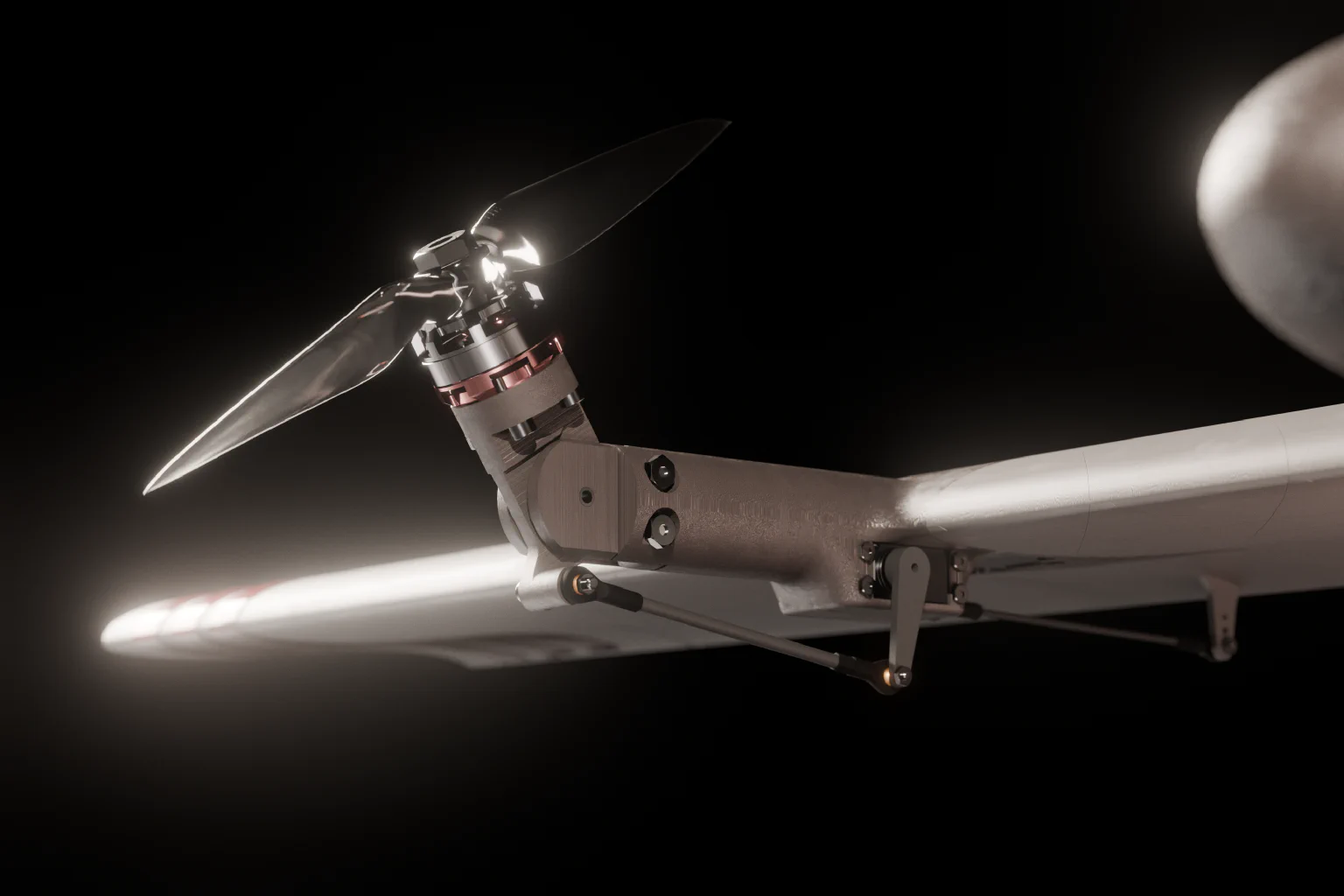 The tilt mechanism used to tilt the rotors
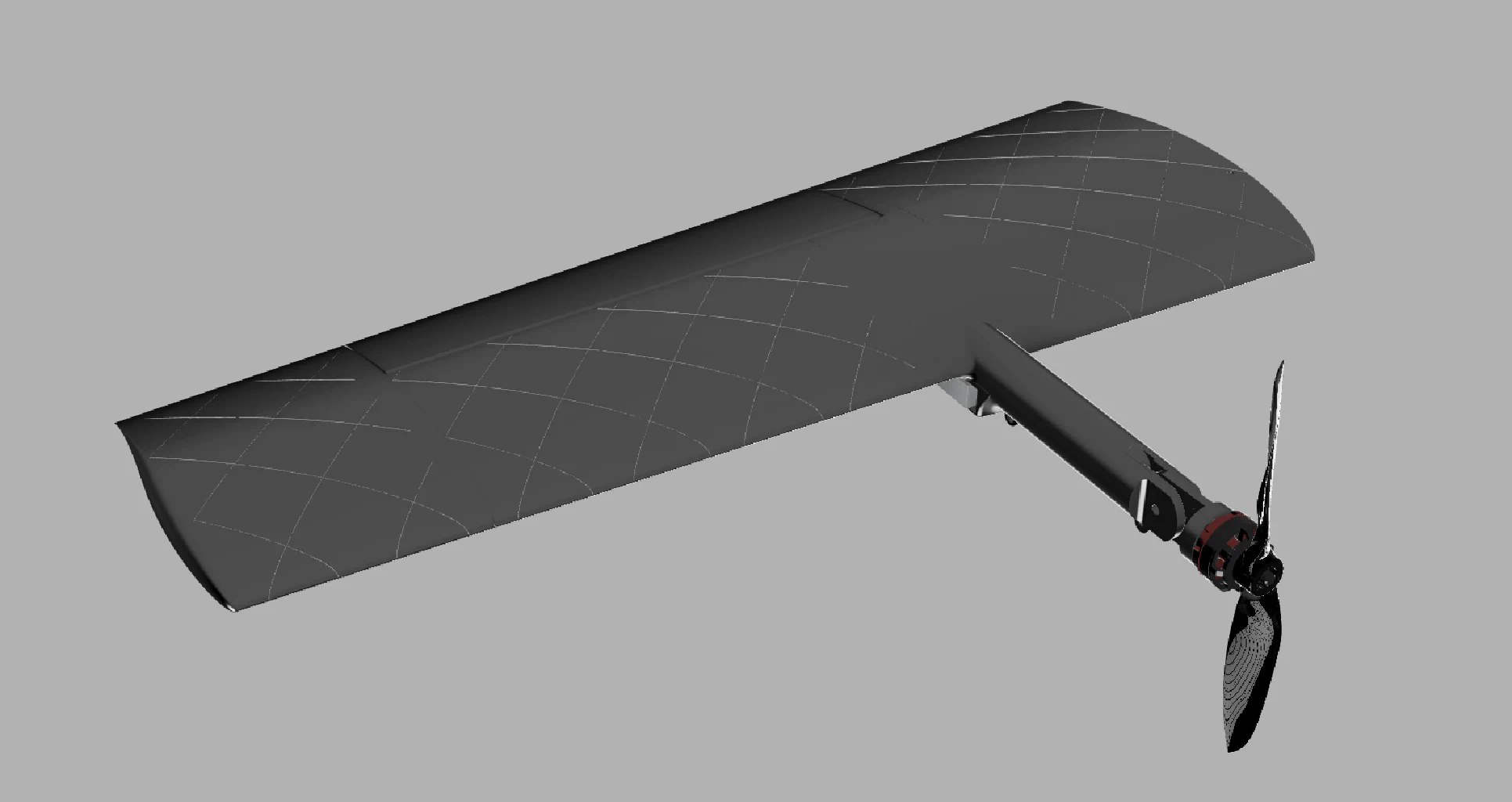 Starling's wing in CAD
Wing Design
The wing was redesigned with a focus on stability and low-speed controllability, improving overall handling compared to last year’s platform. Airfoil selection and geometry were validated through simulation and iterative prototyping.
To support rapid iteration and weight reduction, the wing is fully 3D printed using lightweight materials and optimized internal structures, continuing and refining the manufacturing approach introduced previously.
Structure & Fuselage
One of the most significant improvements over Project Longshot is the transition to a more integrated fuselage structure. Moving away from a primarily rod-based frame, Starling adopts a semi-monocoque approach combining an internal wooden structure with a 3D printed outer skin.
This results in improved structural rigidity, better load distribution, and cleaner integration of subsystems such as landing gear, avionics, and payload components.
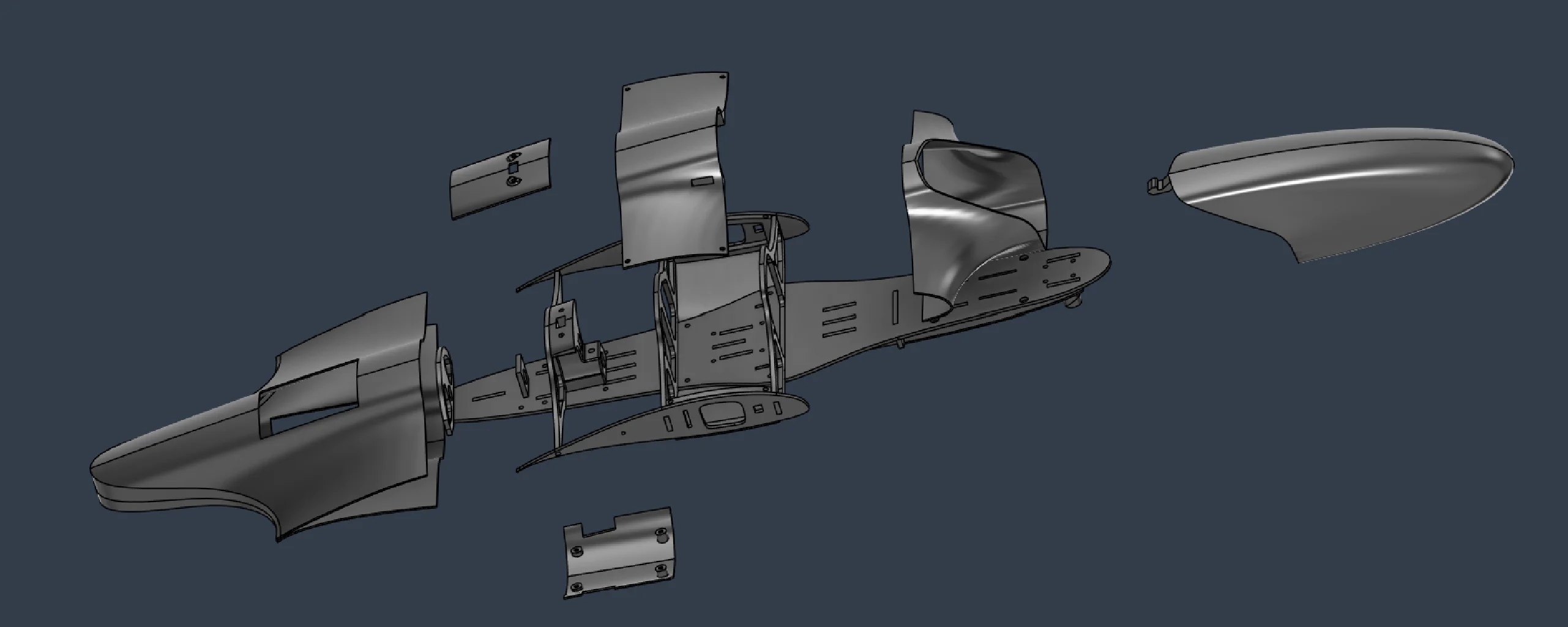 An exploded view in CAD of Starling's fuselage
 Stelle operating a ground control station laptop
Avionics and Control
The avionics system was redesigned to improve integration, reliability, and expandability. Compared to last year’s setup, the architecture is more streamlined, with improved wiring organization and system layout.
The platform supports both manual and autonomous flight modes, with a focus on stable control and a scalable foundation for future onboard systems.
Payload System
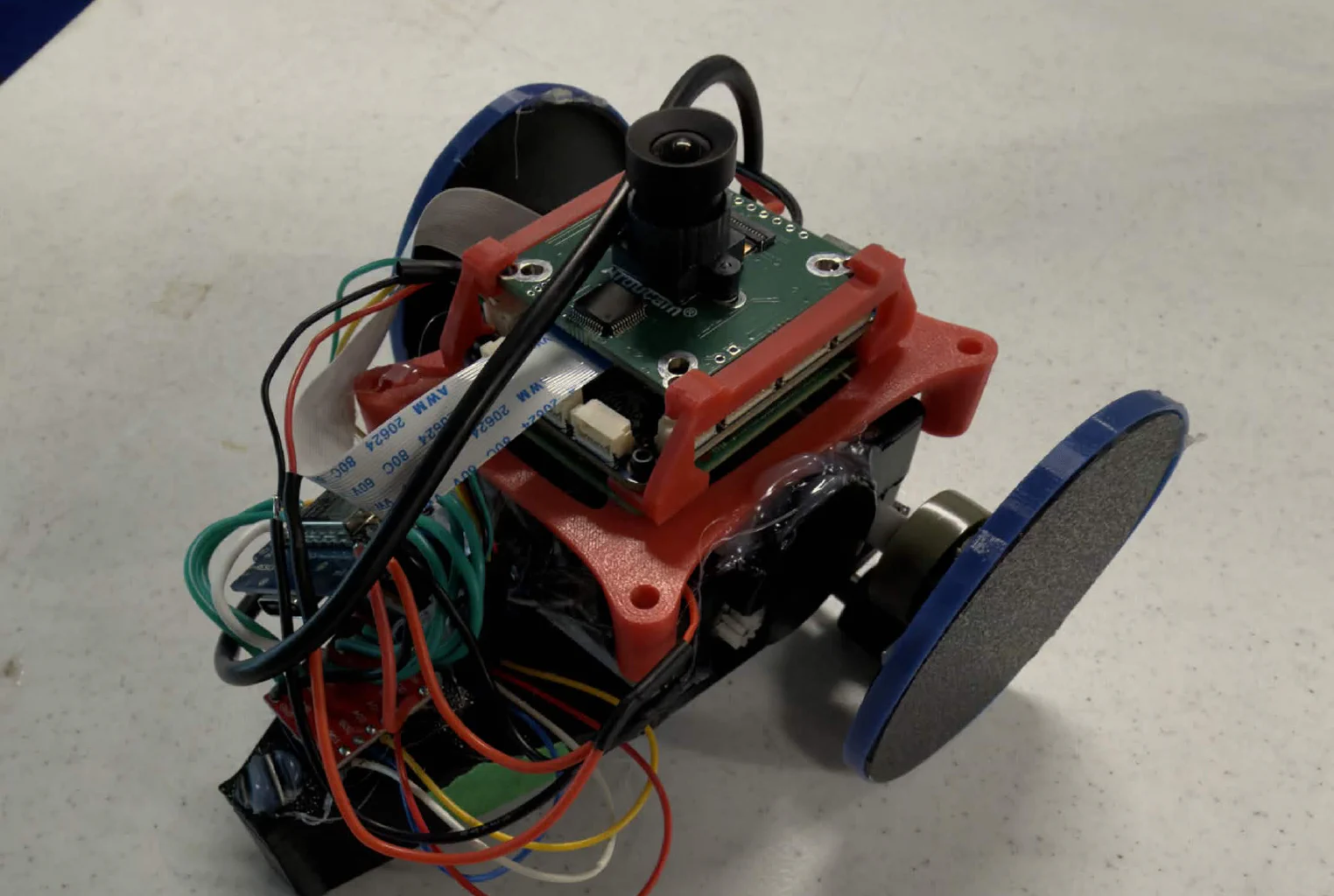 A prototype autonomous payload robot
Design Philosophy
Reliability Over Complexity
Unlike the previous iteration, where system complexity introduced challenges, Starling prioritizes stable and repeatable flight performance before expanding functionality.
Refined Manufacturing Approach
Building on last year’s use of additive manufacturing, this design further integrates 3D printed and traditional components into a more cohesive and structurally efficient system.
Designed for Iteration
The aircraft is built around modular subassemblies, allowing for rapid iteration, easier maintenance, and faster development cycles between testing phases.
Performance and Testing
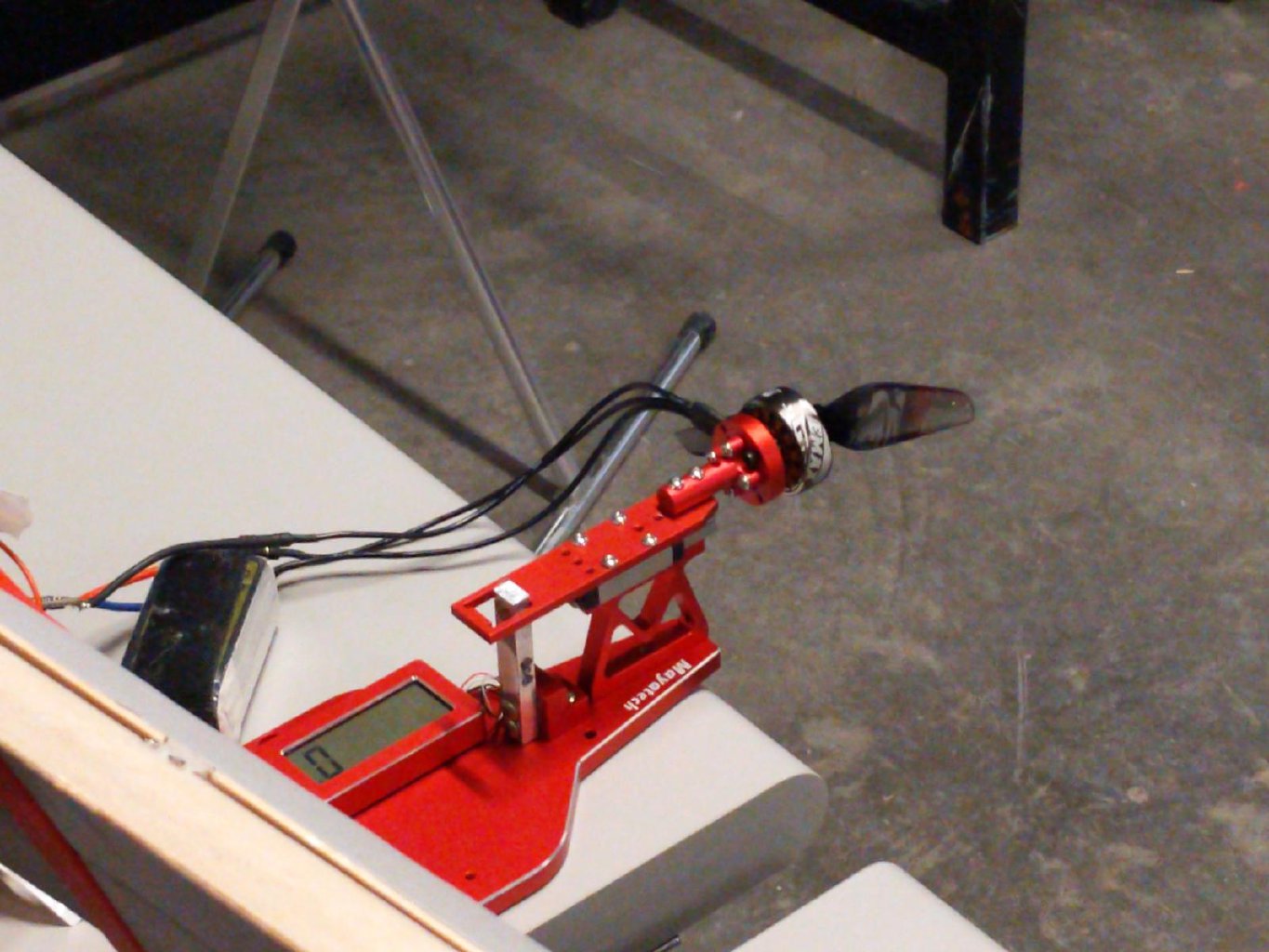
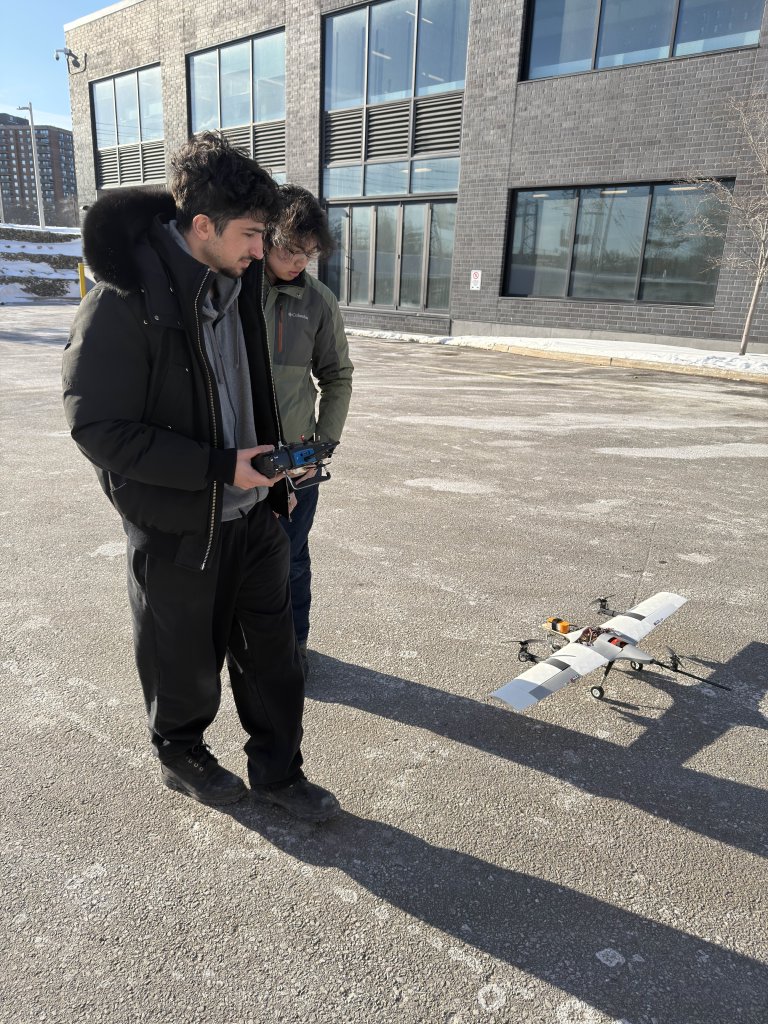
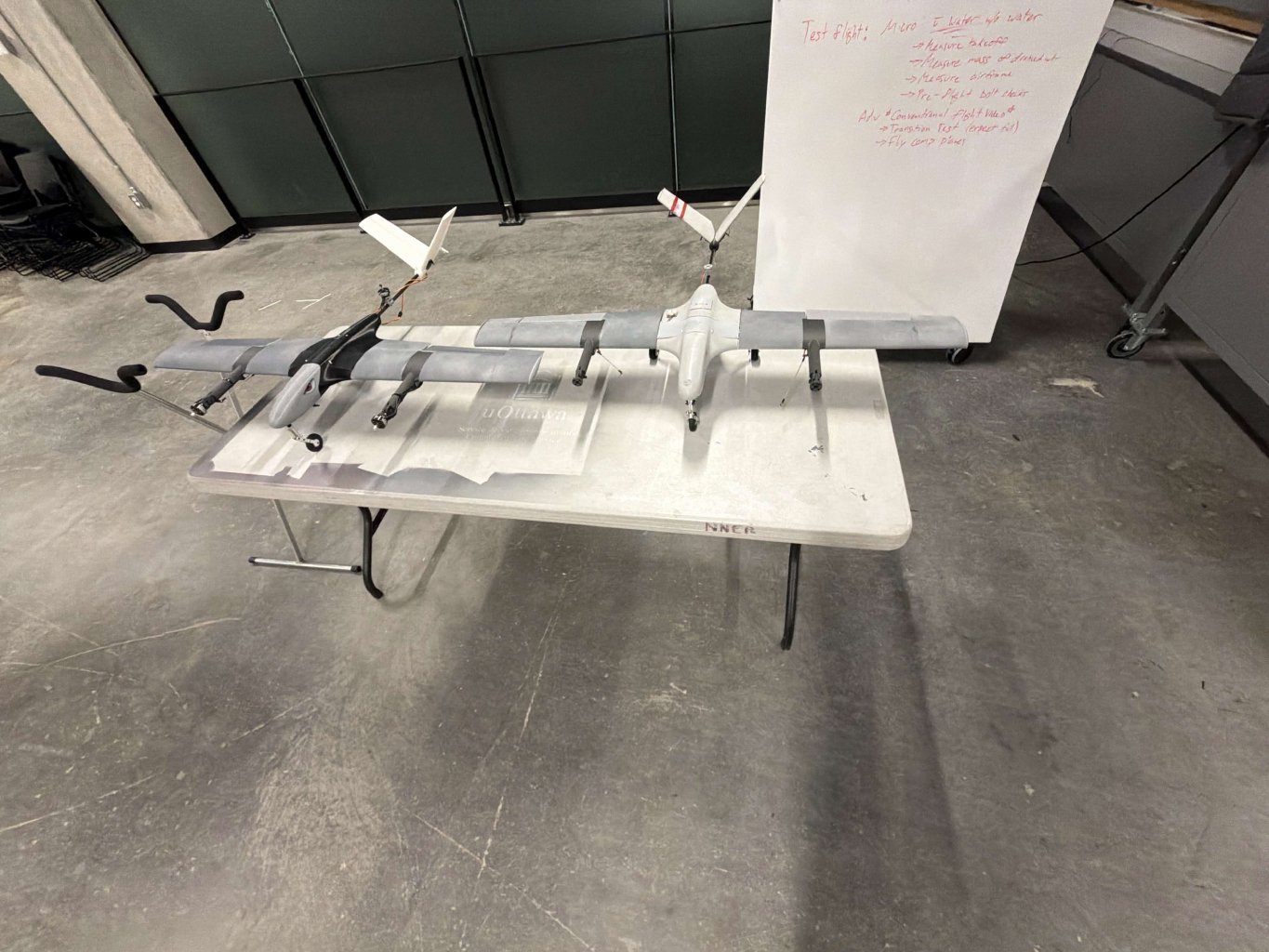
Starling has undergone extensive ground and flight testing to validate improvements made over the previous platform. Testing focused on achieving more consistent takeoff and landing behavior, improved stability in flight, and reliable subsystem integration.
The iterative testing process played a key role in refining the aircraft, allowing design decisions to be validated under real operating conditions.
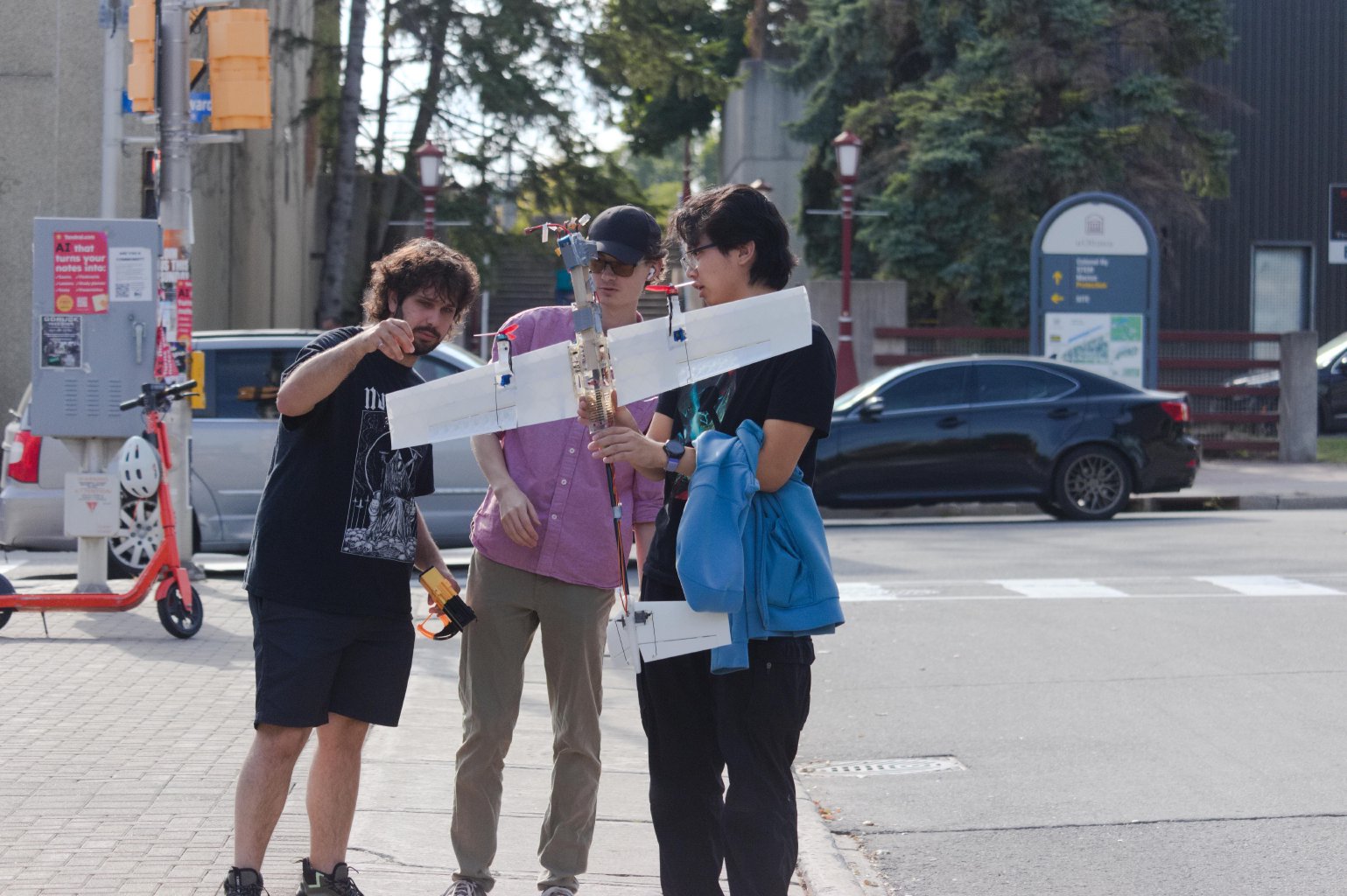
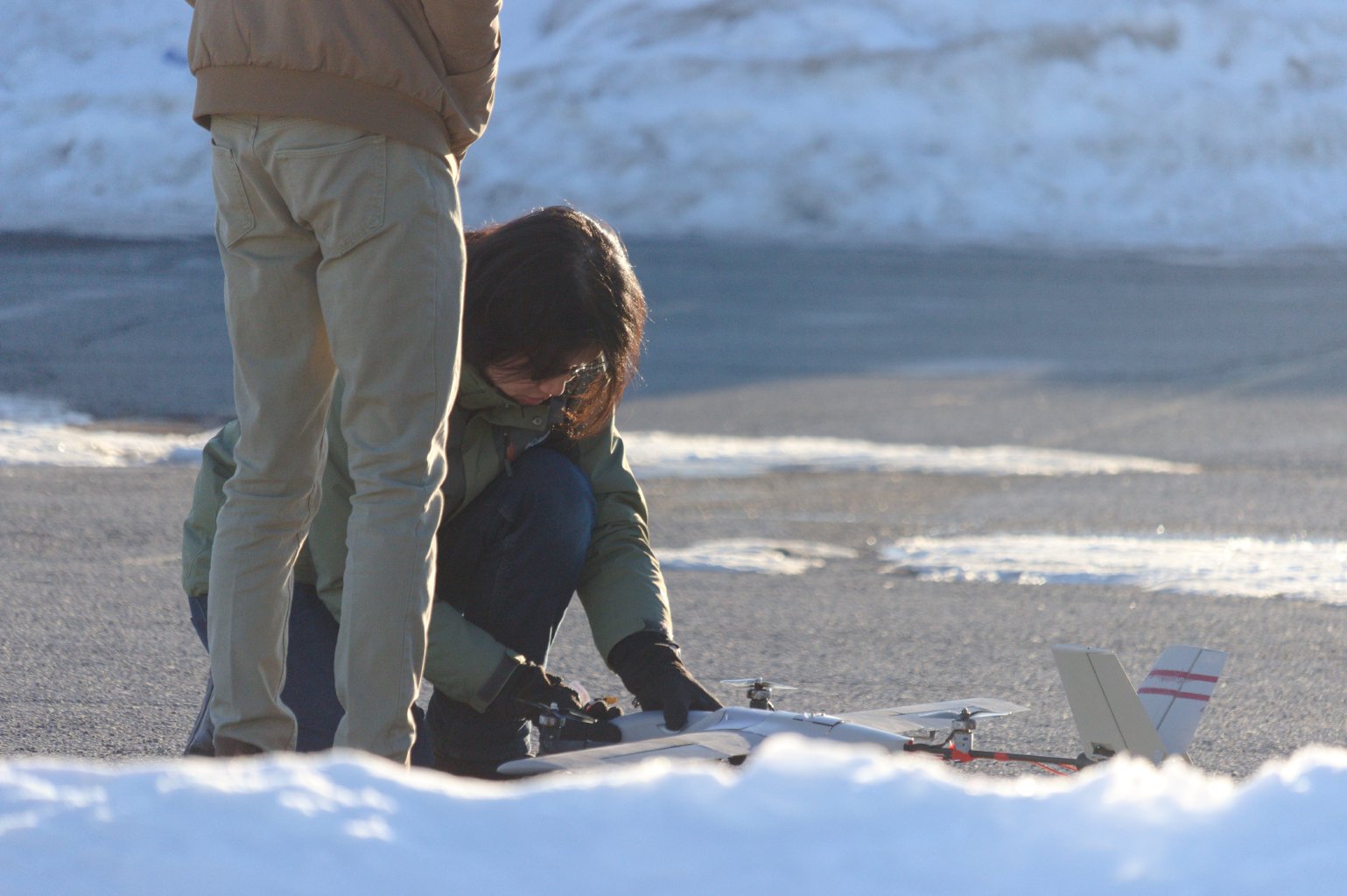
Project Gallery
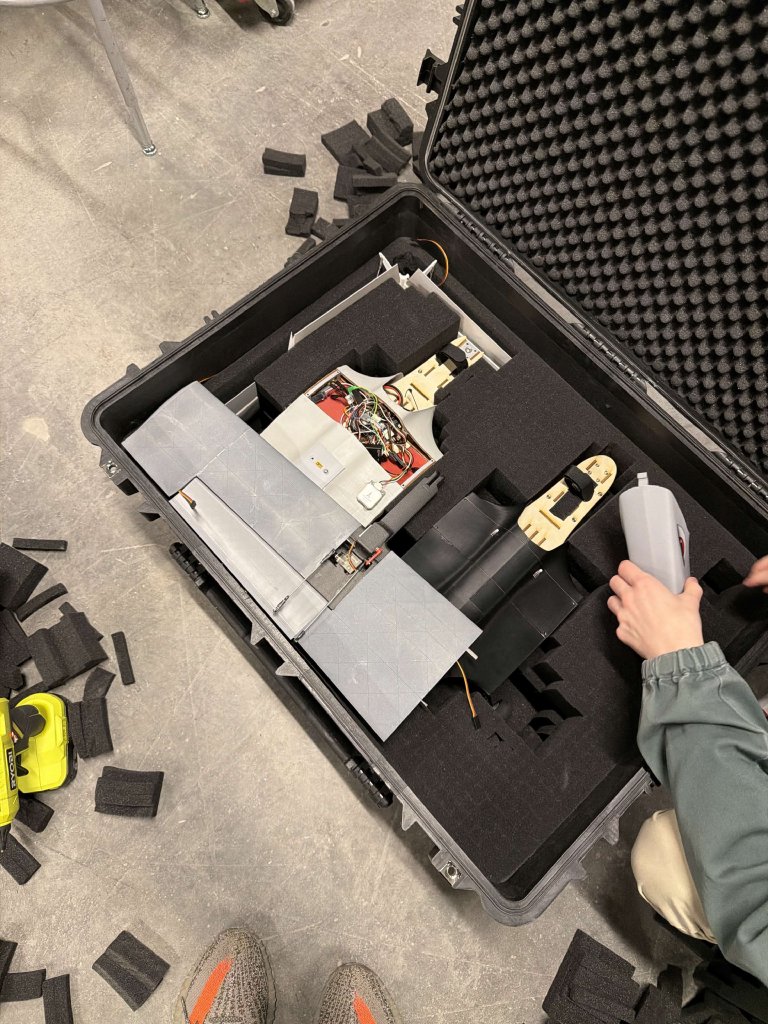
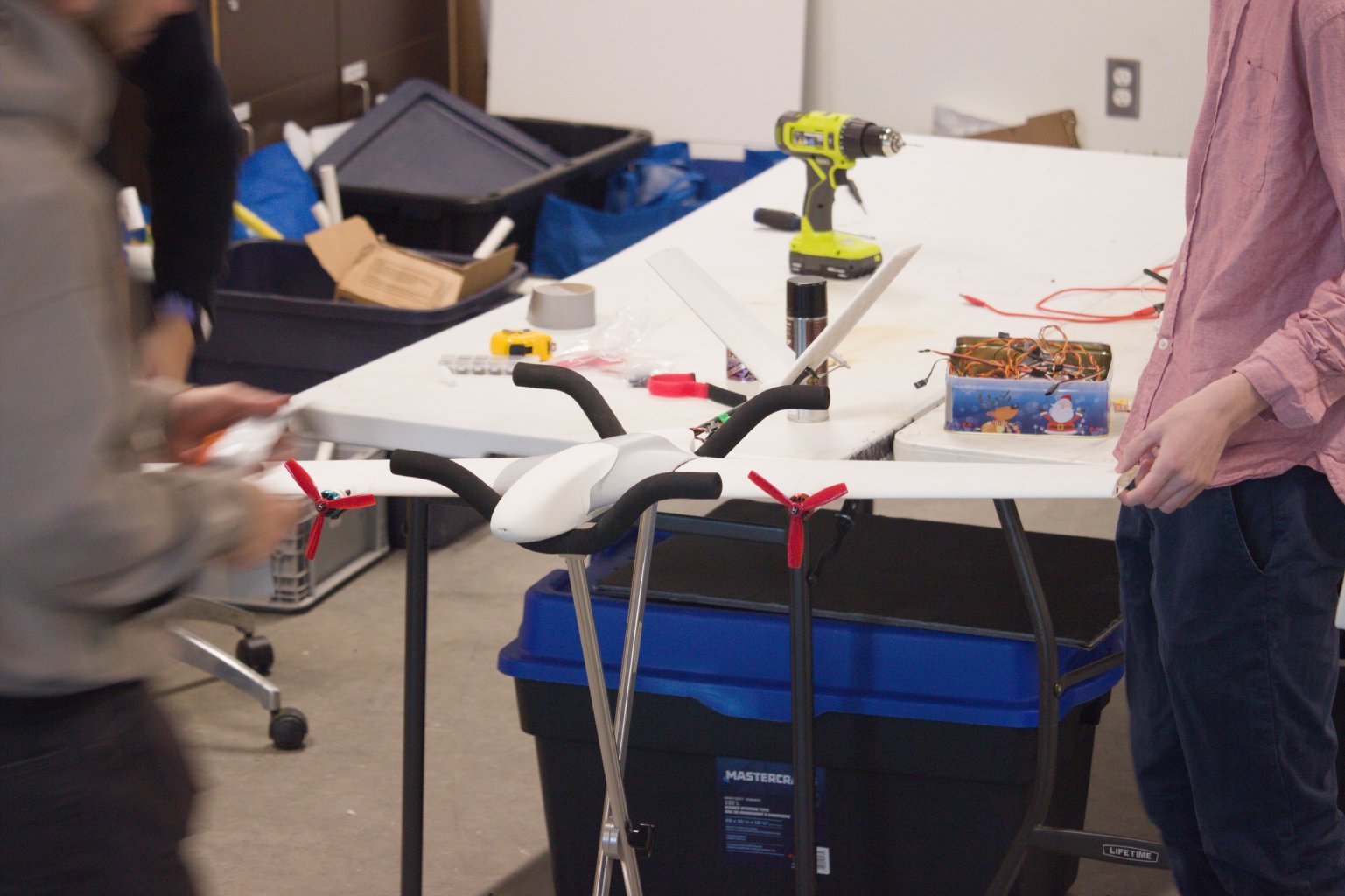
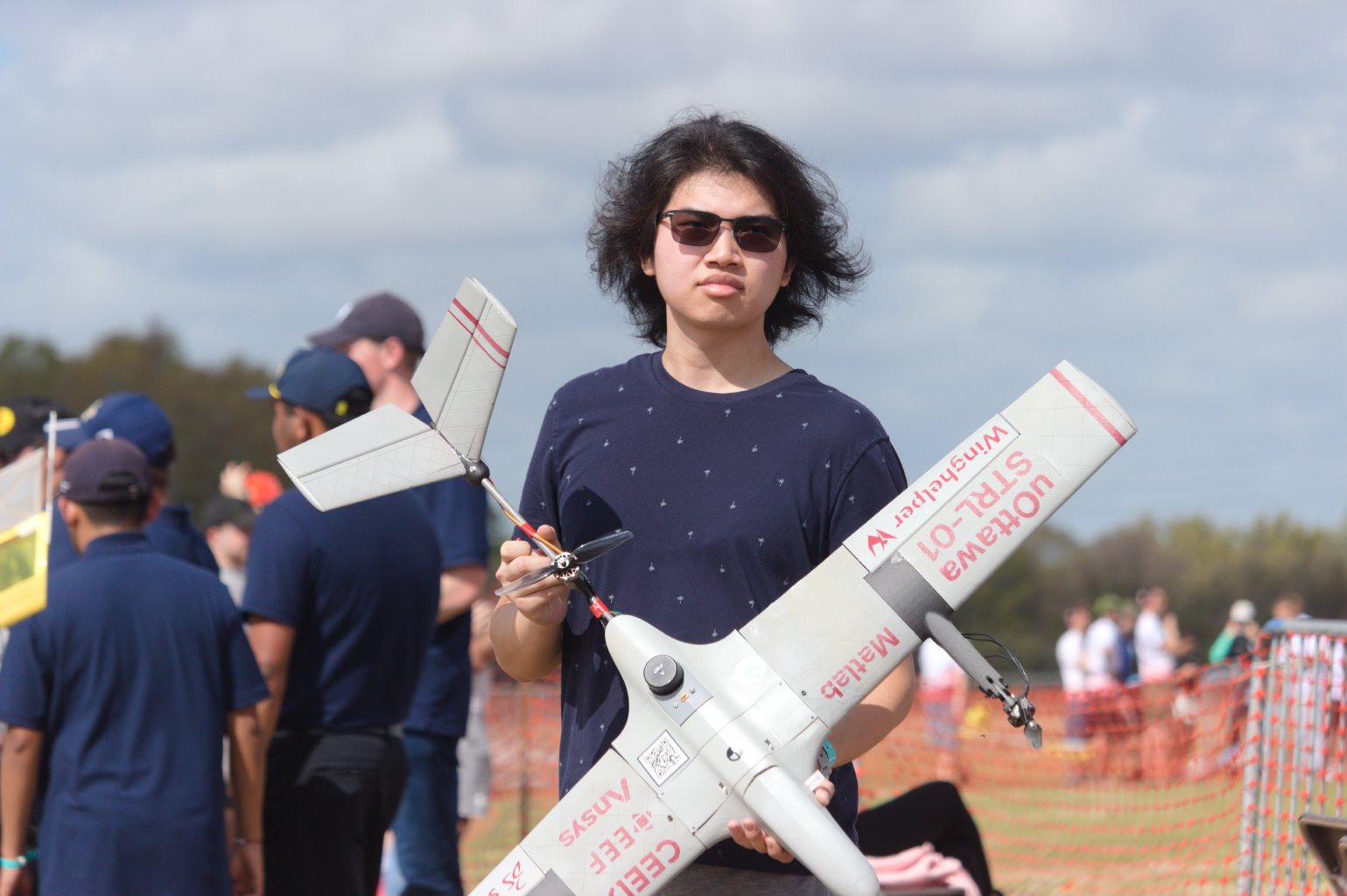
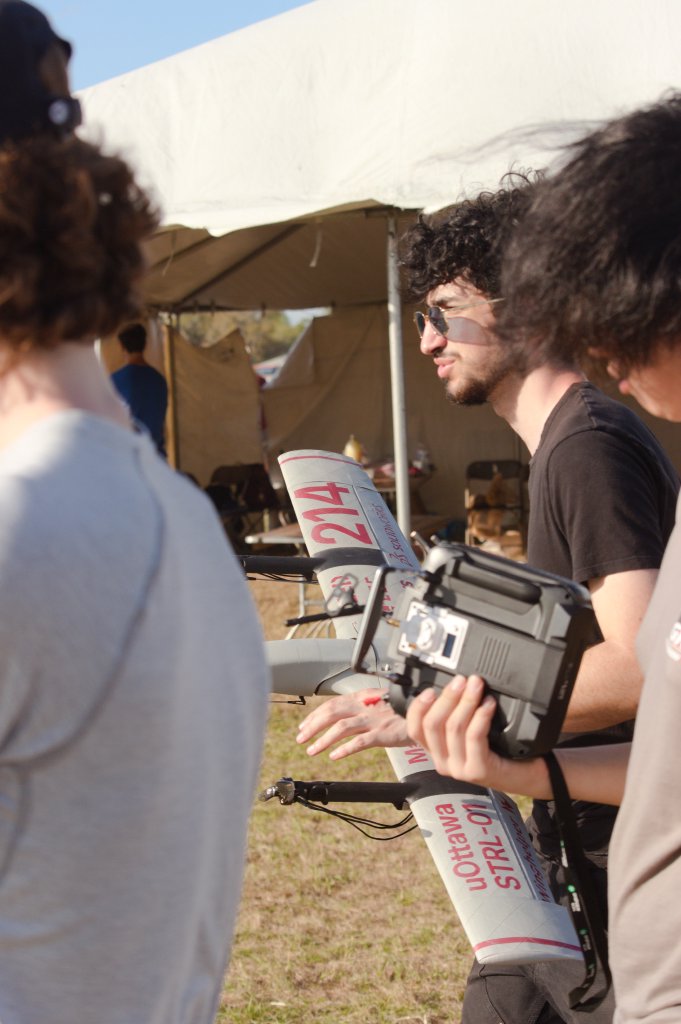
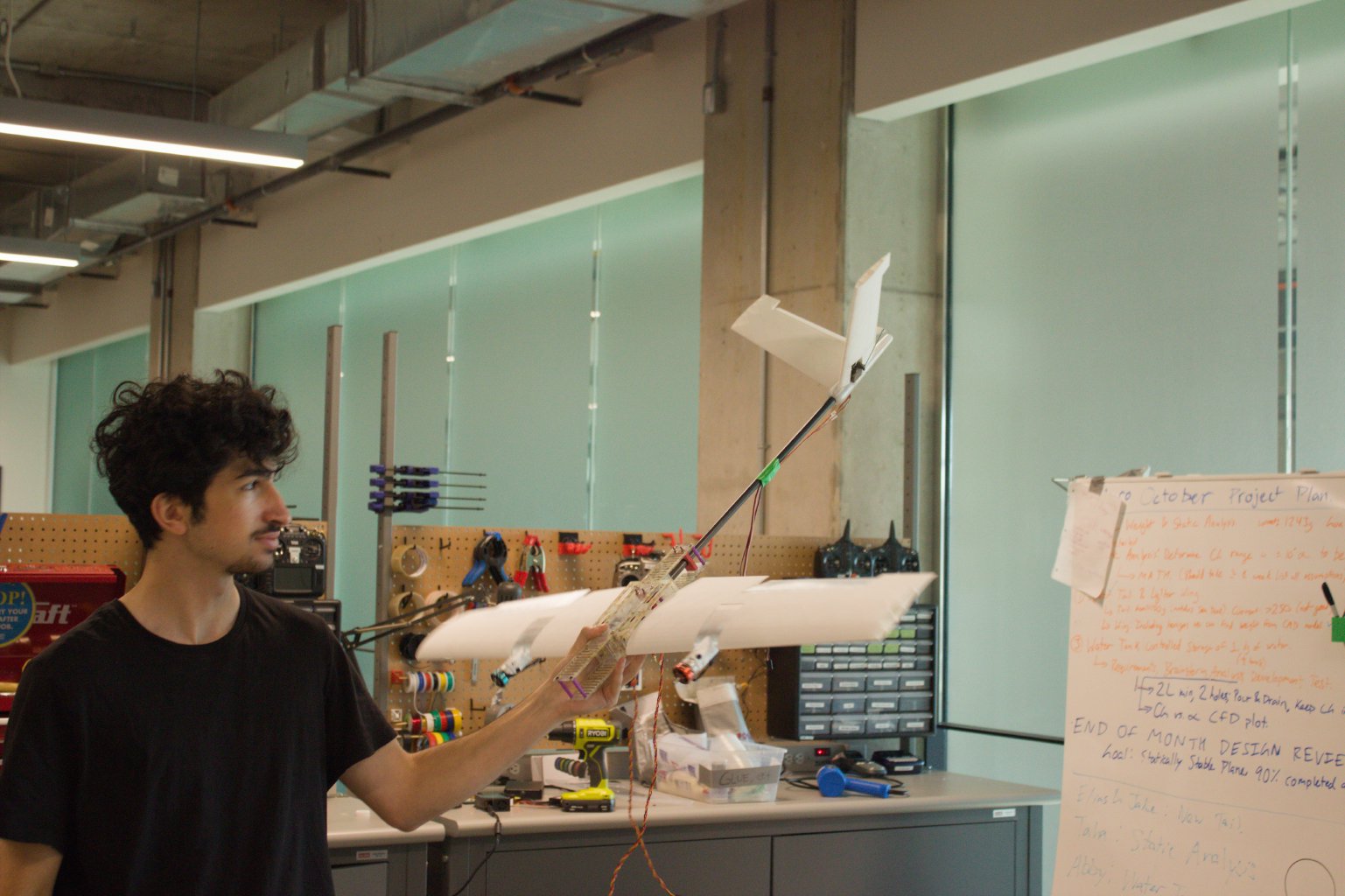
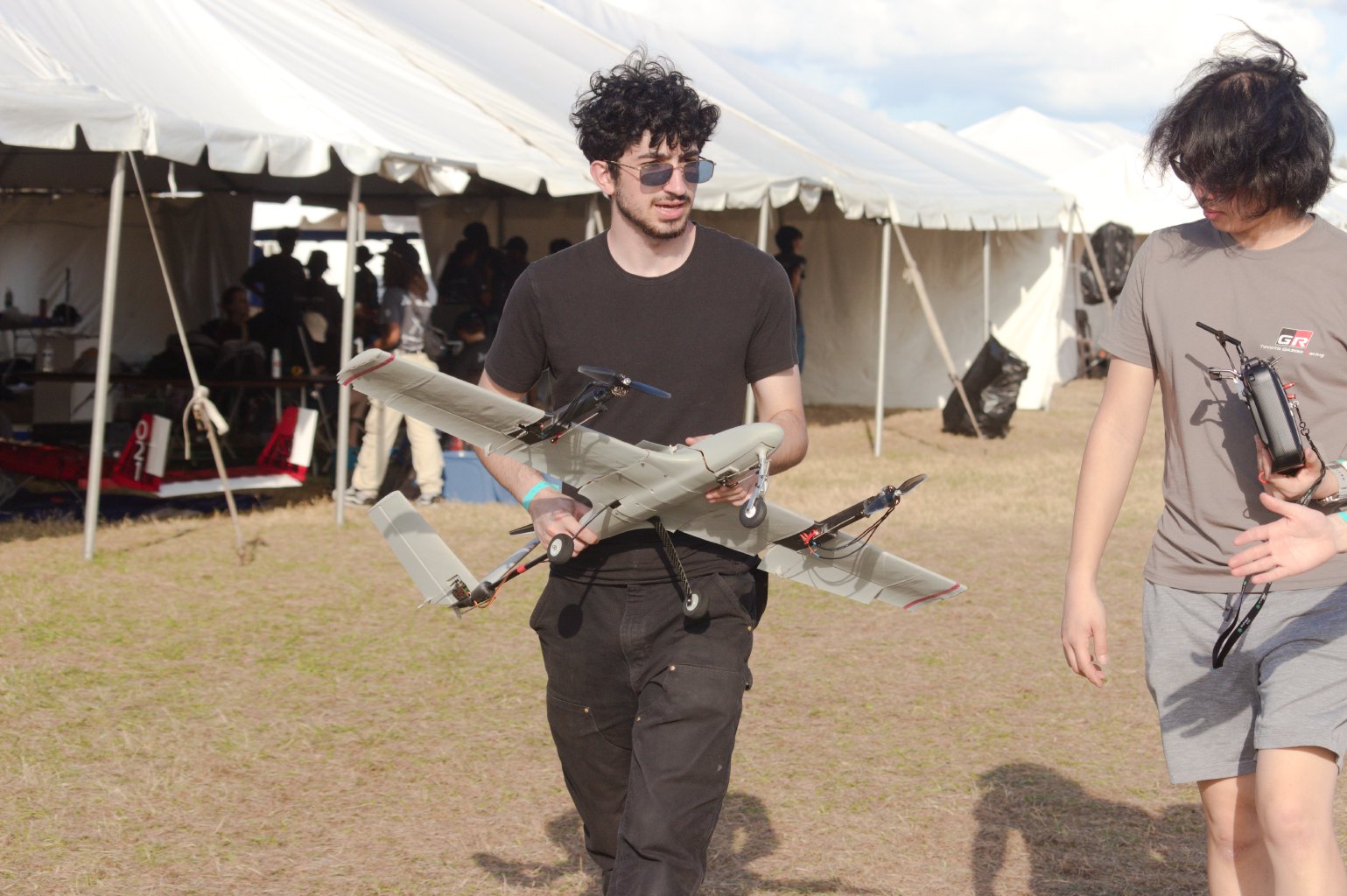
Design, testing, and iteration of the Starling platform
Future Work
Future development of Starling will focus on three primary areas: weight reduction, autonomy, and payload capability.
Efforts are underway to further reduce structural mass while maintaining strength, enabling improved overall performance. At the same time, continued development of onboard systems will expand autonomous functionality and mission capability. The payload system will also be refined to improve reliability, precision, and integration with the aircraft.
These improvements will guide the next iteration of the platform as the team continues to push toward higher performance and more advanced mission execution.